

mirror price per square foot
Two Types of Gate Valves A Comprehensive Overview Gate valves are crucial components in various piping systems, especially in applications that require on/off control of fluid flow. They are designed to provide minimal flow resistance when fully open, making them ideal for usage in systems where fluid flow needs to be regulated effectively. Within the category of gate valves, there are two primary types wedge gate valves and parallel gate valves. Each type has its distinct characteristics, advantages, and application scenarios, which are worth exploring in detail. Wedge Gate Valves Wedge gate valves are perhaps the most commonly used type of gate valve. They feature a wedge-shaped element that fits into the valve seats when closed, effectively sealing off the flow path. The design allows for a tight seal, minimizing the possibility of leakage when the valve is in the closed position. The wedge in these valves typically comes in two configurations solid and flexible. The solid wedge is rigid and provides excellent strength, while the flexible wedge allows for a degree of movement to adjust to potential misalignments in piping systems, which is particularly beneficial in larger installations or older systems where wear and tear may cause slight shifts. One of the primary advantages of wedge gate valves is their ability to handle high-pressure and high-temperature applications. This makes them suitable for industries such as oil and gas, water treatment, and chemical processing, where reliability under challenging conditions is essential. However, it is important to note that because they are not designed for throttling services, operating wedge gate valves in partial open positions over extended periods can cause significant wear and tear. Parallel Gate Valves two types of gate valves Parallel gate valves, often referred to as knife gate valves, employ a different mechanism than their wedge counterparts. Instead of a wedge-shaped disk, these valves utilize a pair of parallel gate plates that slide vertically within the valve body. This design allows for a more straightforward operation, especially in applications requiring periodic cleaning or maintenance. One of the significant benefits of parallel gate valves is their ability to handle slurries, viscous fluids, or coarse solids without becoming clogged or retaining material. This feature makes them particularly advantageous in industries such as mining, wastewater treatment, and food processing, where such materials are common. Parallel gate valves facilitate a tight shut-off due to the compressive force applied when the gates are closed. Additionally, because the gates can be operated in a more controlled fashion, these valves are less prone to wear from constant opening and closing cycles compared to wedge valves. However, it is worth mentioning that the sealing performance of parallel gate valves is typically not as robust as that of wedge gate valves, making them less suitable for high-pressure applications. Conclusion In summary, both wedge and parallel gate valves serve essential roles in various industrial applications. Wedge gate valves excel in high-pressure environments and provide a robust seal, making them ideal for oil and gas or chemical industries. On the other hand, parallel gate valves offer practical advantages in handling viscous fluids and slurries, suiting applications in mining and wastewater management. Choosing the right type of gate valve depends on the specific requirements of your application, including pressure, temperature, the nature of the fluid being controlled, and environmental conditions. Understanding the strengths and limitations of each type can significantly enhance operational efficiency and reliability in fluid control systems.
about
mirror price per square foot
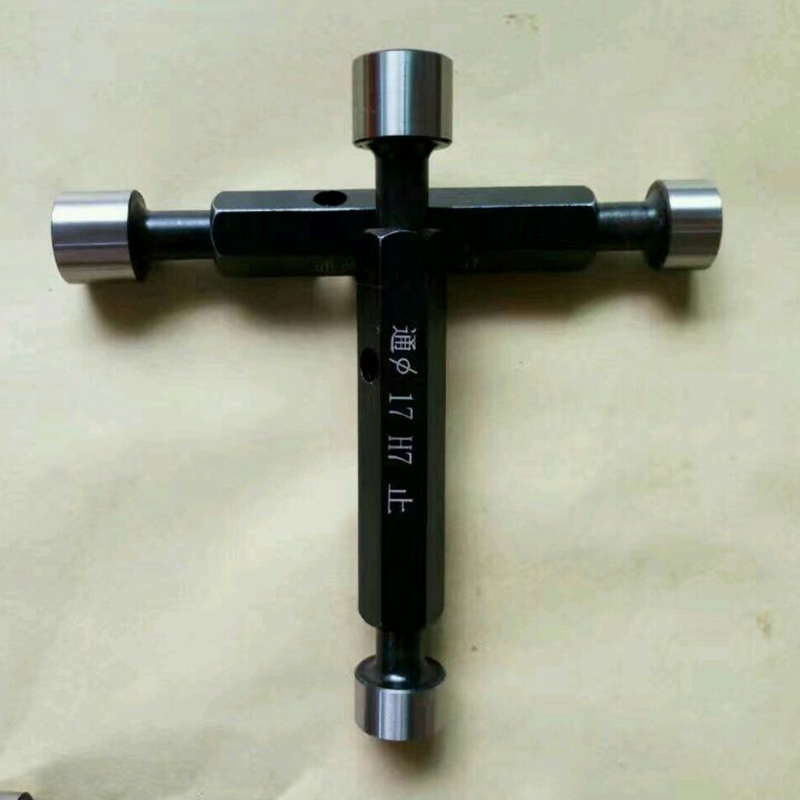
Understanding the Metal Ring Gauge A Comprehensive Guide The metal ring gauge is an essential tool used in various industries, particularly in manufacturing and engineering, to measure the dimensions of metal and other materials accurately. Understanding its functionality, applications, and advantages can help professionals maintain quality standards and improve their measurement processes. This article aims to explore the significance of metal ring gauges, their design, benefits, and usage in different sectors. What is a Metal Ring Gauge? A metal ring gauge, often referred to as a ring caliper or ring gauge, is a cylindrical measuring instrument typically made from steel or other durable metals. Its primary purpose is to measure the outer diameter of a workpiece accurately. It can be designed for either internal or external measurements, depending on the specific requirements of the application. The gauge is often machined to exact specifications, allowing it to serve as a standard reference for checking the dimensions of parts and components. It comes in various sizes and tolerances, enabling it to accommodate a wide range of applications. How Does it Work? The working principle of a metal ring gauge is straightforward. The gauge features a calibrated inner and outer diameter that corresponds to the specific measurement it is designed to check. When a workpiece is inserted into the gauge, it should fit snugly against the calibrated surfaces. If the workpiece fits perfectly, it conforms to the required dimensions; if it does not fit, it indicates a deviation from the desired specification. Metal ring gauges can be used either for direct measurement or as a go/no-go gauge. In a direct measurement scenario, they provide a precise measurement, while in a go/no-go application, they determine whether a workpiece falls within desired tolerances, allowing for a binary check of quality. Advantages of Using Metal Ring Gauges 1. Accuracy and Precision One of the primary advantages of using metal ring gauges is their ability to deliver highly accurate measurements. Metal is less prone to wear and deformation compared to other materials, making it suitable for precise applications. 2. Durability Made from high-quality materials, these gauges can withstand harsh conditions and repeated use without significant degradation. This durability ensures they remain a reliable source of measurement over time . metal ring gauge 3. Ease of Use Metal ring gauges are easy to operate, requiring no special training. This simplicity allows for quick checks on the production floor, which can lead to increased efficiency in manufacturing processes. 4. Versatility They can be used in a variety of applications, from automotive and aerospace manufacturing to construction and machining. The different sizes and tolerances available ensure that there is a suitable gauge for nearly any measurement task. 5. Cost-Effectiveness Investing in metal ring gauges can be a cost-effective solution for companies looking to ensure quality control. By helping to eliminate defects, they reduce the likelihood of costly rework or product failures. Applications of Metal Ring Gauges Metal ring gauges find their utility in a wide range of industries - Manufacturing In manufacturing environments, they're used primarily for quality control and assurance. Checking the diameters of shafts, tubes, or other round components ensures that they meet engineering specifications. - Aerospace The aerospace industry relies heavily on precision. Metal ring gauges are critical in inspecting critical components to ensure they meet safety and performance standards. - Automotive In the automotive sector, metal ring gauges help verify the dimensions of engine parts, fasteners, and other components, which contribute to the overall performance and safety of vehicles. - Construction Builders and contractors utilize these gauges to confirm that fittings and pipes meet the necessary specifications, ensuring proper assembly and functionality. Conclusion In conclusion, metal ring gauges are invaluable tools in various sectors for their precision and reliability. Their ability to provide accurate measurements and their durability make them indispensable in quality control and assurance processes. As industries continue to seek advancements in accuracy and efficiency, the role of metal ring gauges will remain crucial in ensuring that high standards are met across the board. Investing in quality measuring tools like metal ring gauges not only enhances product quality but also contributes to overall operational effectiveness in manufacturing and engineering practices.
-

High quality industrial productsagement

High quality industrial products
View Details -

Meet the diverse needs of customers

Meet the diverse needs of customers
View Details -

Strict quality control

Strict quality control
View Details -

Top raw materials

Top raw materials
View Details -

Trusted supplier

Trusted supplier
View Details
Our application
news and information

Valve for Sale Top Quality Guaranteed
Discover the perfect valve for your specific needs with our comprehensive guide to valves for sale.

Vertical Y Strainer for Efficient Fluid Filtration Solutions
Understanding Vertical Y Strainers A Key Component in Fluid Systems In various industrial and munici

Water Hose Shutoff Valve for Efficient Water Control and Usage Management
The Importance of a Water Hose Shut-Off Valve When it comes to managing water flow in your garden or
 English